

Women’s Program
Real Women. Real Connection. Real Recovery.
"Nothing can prepare you for the moment you discover that the person closest to you, the person you count on the most, has betrayed you."
— Michelle Mays, The Betrayal Bind
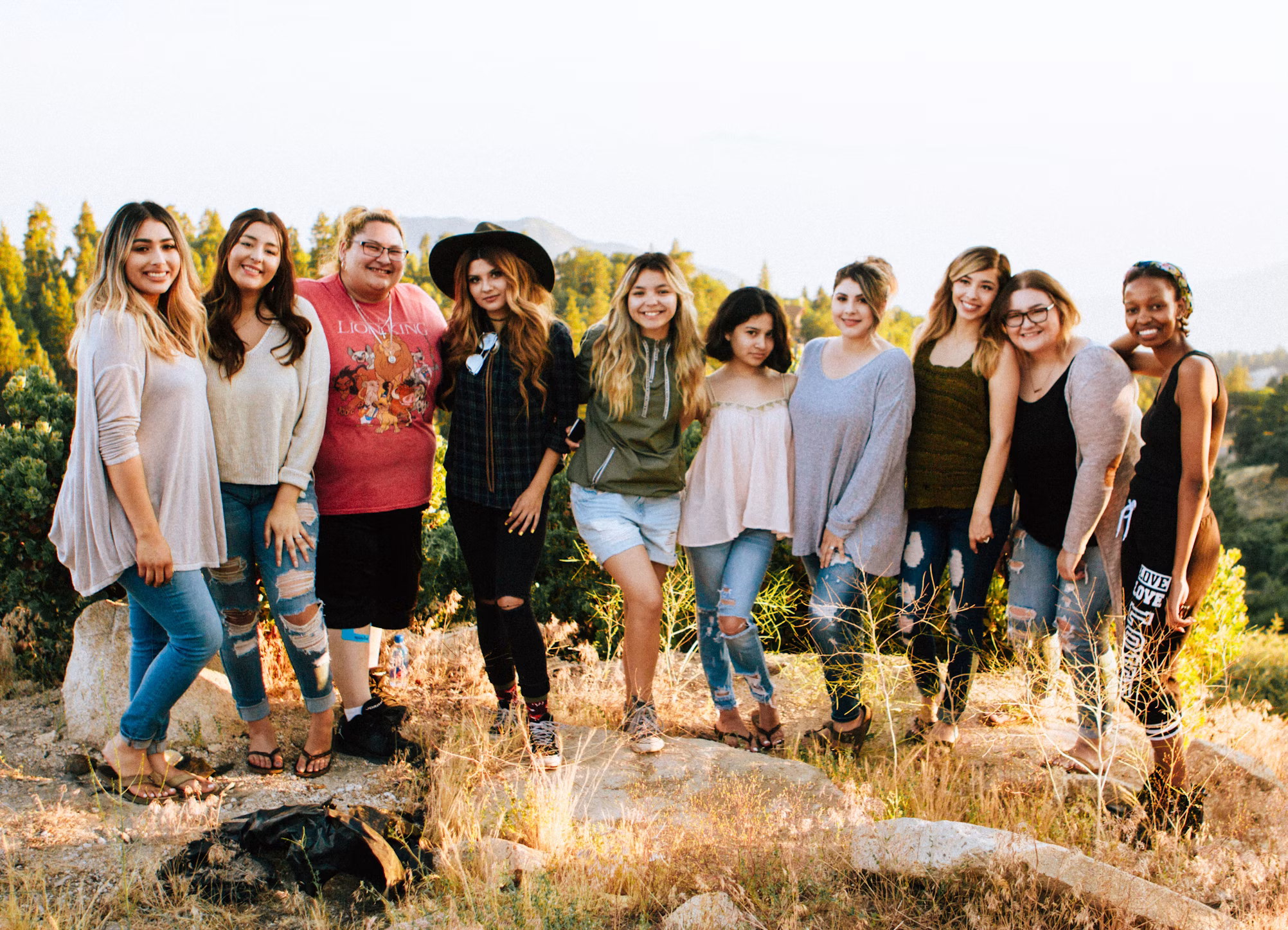
You Are Not Alone In This
If you are reading this, you may already know the particular loneliness of betrayal. The kind of pain you cannot bring to most of the people in your life. The fear that if you spoke it out loud, in your small group, to your closest friend, even to your pastor, you would be misunderstood, pitied, or quietly pushed to the edges of the community you have given your life to.
So you have carried it alone. Or mostly alone. And the carrying has cost you more than you can say.
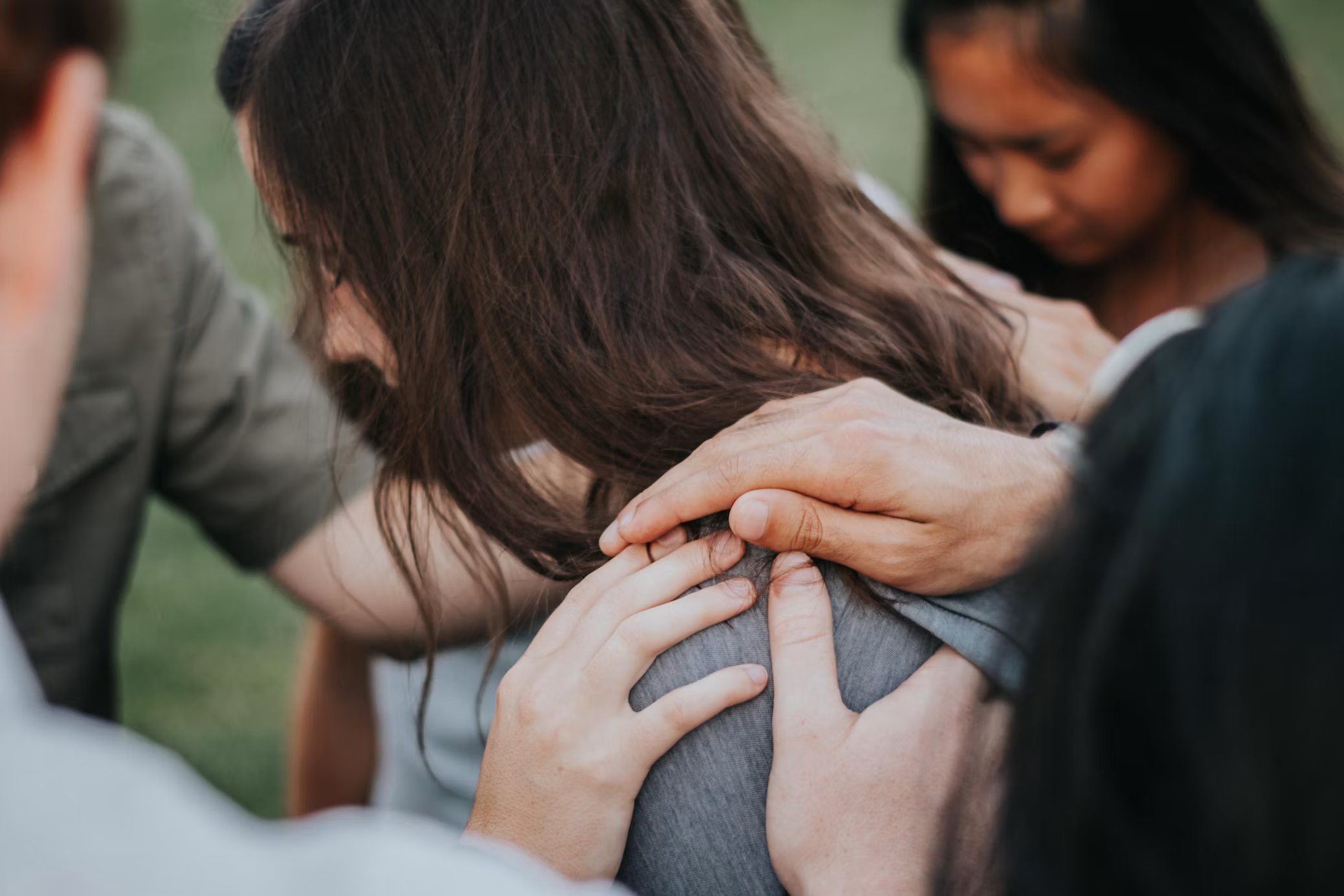
This group exists because you were never meant to carry this by yourself. There are other women who know this pain. Women who have sat where you are sitting and wondered if anything could ever feel whole again. Women who have decided to walk together toward healing, with one another, and with Jesus, into the deepest places of the wound rather than away from them.
You do not have to be further along to belong here. You do not have to have it figured out. You only have to be willing to not be alone anymore.
In Their Own Words…
“When I hesitantly joined the women’s group, I did not expect to find such safety, encouragement, truth, strength and a place to be loved and seen just as I am. Sharing the path to recovery and healthy relationships with other resilient women who live vibrant, Christ centered lives is more than I could have imagined. I am learning what it means be fully me, made in the image of God. Journeying through the pain and flexing into the challenges keeps changing me inside and out. I am making sense of my story and know that there are beautiful chapters yet to be written.”
— Sandy (Current Group Member)“What’s been most impactful for me is being able to process and learn more about my original wounds from my parents, which plays a profoundly significant role in my romantic relationships. There is nowhere for me to have these conversations in church because not everyone is willing to see the value in facing their pain. It is so refreshing to be able to do this work with godly women, praying for each other and inviting Jesus into the deepest parts of my wounded heart.”
—Erika (Current Group Member)“These women have been the hands and feet of Jesus in my life. A safe place to share the scary things I’d otherwise keep to myself, where compassion pours out and salves my wounds.”
— Current Group MemberCarol Juergensen Sheets, a longtime betrayal trauma specialist and certified clinical partner specialist, has written and taught extensively about post-traumatic growth in the context of partner recovery. The framework, originally developed by psychologists Richard Tedeschi and Lawrence Calhoun, describes the profound positive change that can arise from the struggle with a major life crisis. Not in spite of the wound. Through it.
This is the orientation of our work together. We are not interested in getting you past the betrayal, around the betrayal, or over the betrayal. We are walking with you through it, and trusting that the woman on the other side of that walking is more whole, more rooted, and more her true self than she has ever been.
Jesus does not bypass our wounds. He enters them. He sits with us in the parts of our story we have been most afraid to look at. He is most present, not least present, in the places we have felt most alone. Healing, in this room, is not a technique or a curriculum. It is an invitation: to bring every part of who you are, including the parts that feel unspeakable, into the presence of the One who has never once looked away from you.
Growing Through The Wound
What We Actually Do Together
Each quarter, the group steps into a body of formative work. Recent and upcoming material includes nervous system regulation, Internal Family Systems, polyvagal theory, attachment theory, story work, and daily practices of self care, boundaries, and embodied soul care.
In group, you will learn the frameworks, practice the tools, and develop the awareness to notice what is happening inside of you and, maybe more importantly, take care of yourself in real time.
This is depth work. It is also playful, embodied, and relational. You will not be alone in it.
"Whatever it is that you are currently thinking, feeling, and fearing, you should know right now that if you're willing to try to heal yourself and your relationship, you can succeed in that endeavor."
— Dr. Stefanie Carnes, Courageous Love
Walking the Road Together

This women's group runs in parallel with the Breath to Bones men's program. The women move through the same content their partners are working through, in the same sequence, on the same timeline.
That structure matters, particularly for women whose partners are also doing the work. When both people in a relationship are learning the same frameworks, practicing the same tools, and developing a shared vocabulary, something changes in the texture of the relationship. Repair stops being a guessing game. Rupture becomes workable. You are no longer two people doing private work and hoping the other is keeping pace. You are walking the same road, with the same map, in real time.
Couples who have moved through the parallel program together consistently describe a more collaborative day-to-day, more effective rupture and repair, and a sense that they are actually building something together rather than recovering in isolation. This applies whether you are dating, engaged, married, or somewhere in between.
And if your partner is not doing this work, you are still welcome here. Your healing does not depend on his.
How to Get Started
There are two ways to join. Pick whichever feels right for where you are.
Option 1: Schedule a free 30-minute consult
If you would like to talk before you commit, schedule a brief call with me, Chris Chandler. We will spend about 30 minutes together. You can share a little of your story, ask any questions you have about the program, and we can make sure this is a good fit for where you are right now.
Option 2: Join the interest list directly
If you are ready to step in, you can add your name to the interest list now. I will reach out with details about the next forming group, what to expect, and how to plan for your first session.
Frequently Asked Questions
-
Groups meet once per week for 90 minutes and run in 12-week quarters, with new content each quarter. Between sessions, there is weekly homework delivered through the Breath to Bones app: readings, videos, and exercises to work through at your own pace during the week. The group also stays connected through an ongoing chat in the app, so the work continues to breathe between sessions.
-
Groups meet virtually each week. That said, many of the women coordinate in-person meetups outside of group whenever possible. The relationships built here often extend well beyond the screen.
-
Groups are capped at 10 women, which keeps the circle small enough for real intimacy and consistent participation. You will not get lost in this room.
-
Groups are $70 per week, billed on a subscription model. If your partner is also participating in the Breath to Bones men's program, you receive a $20 per week discount, bringing your cost to $50 per week.
A note on the subscription structure: you will be billed whether or not you are present each week. We make some exceptions in extenuating circumstances, but the structure is intentional. Because of the intensity, vulnerability, and depth of the work we do together, continuity is our highest priority. The group's healing depends on having the same women in the room week after week. Multiple absences are disruptive to the trust and momentum we build together, so we structure billing to encourage consistent presence.
-
Yes. This group is grounded in a Christian framework, and we openly invite Jesus into the deepest places of our pain and healing. That said, the clinical and therapeutic foundations of the work (Internal Family Systems, polyvagal theory, attachment work, post-traumatic growth) are valid and powerful regardless of faith background. Women of all faith expressions, or none, are welcome, as long as the explicitly Christian framing of the group is something you can engage with.
-
This is not a "save your marriage" group. The work here is about you: your healing, your wholeness, your story. Some women in the group are working toward repair with their partners. Some are not sure yet. All of them belong here, because all of them are doing the deeper work of becoming whole. Our hope is that as you grow into the healthiest, most rooted version of yourself, you will be able to make whatever decision lies ahead of you from a place of clarity, values, and integrity, rather than fear, reactivity, or confusion.
-
You are still welcome here. Your healing does not depend on his. While the women's group runs in parallel with the men's program, and many women find it powerful when their partner is also doing the work, this group is yours regardless of where he is on his own journey.
-
This group is built around the conviction that the betrayal is part of your story, not the entirety of it. Many betrayed-partner groups focus heavily on what your partner did and is or is not doing. We focus on the deeper work: your nervous system, your attachment story, the parts of you that formed long before the betrayal, and the woman you are becoming through it all. Women who have been in other groups often describe this one as going deeper, integrating more of who they are, and centering their growth in a way other groups have not.
-
No. Group is a place to bring what you are ready to bring. There is no pressure to disclose specific details of betrayal, or to share anything before you are ready. The women in this room hold each other's stories with care.
-
Yes. What is shared in group stays in group. This is a foundational commitment, and one we discuss explicitly at the start of every cohort.
-
The next quarter of content begins the week of July 6-10. We are actively taking signups now. The group will launch as soon as we have enough women registered, which allows everyone time to meet, get familiar with the program, and settle in before the new quarter of content begins.
-
There are two ways to join. You can sign up directly for the interest list and step into the next forming group, or you can schedule a free 30-minute consult with me first to learn more about the program, share a bit of your story, and make sure this feels like the right next step for you.
Either way, your first group session is free. You are welcome to sit in, see what the group feels like, and decide from there whether you want to commit. No group agreement, no charge, no pressure until you know this is the right place for you.
Get in Touch
Please let us know if you have any questions about the Program. We'll review your message and get back to you within 48 hours.