
Current Group Content
A Whole Brain Approach to Recovery
Embodying Your Story
This Quarter in Breath to Bones Groups (July–September 2026)
Every quarter, our groups move through a focused body of work. This season, we're stepping into what we're calling Embodying Your Story: the deeper core work of healing that lives beneath behavior.
Most recovery work starts and stops at the level of behavior, trying to white-knuckle our way out of patterns we don't fully understand. But behavior is downstream. Beneath every compulsive pattern is a story: wounds we've carried, parts of ourselves we've exiled, and a nervous system that learned long ago how to survive. Real, lasting transformation happens when we stop fighting the symptom and start tending the story underneath it, in our minds, our hearts, and our bodies.
This quarter integrates two of the most powerful trauma-informed healing models available today, held within a Christ-centered framework.
Level 1: Internal Family Systems
We are not one unified self; we are made up of parts. There are protective parts that manage, control, and keep us safe. There are wounded, exiled parts that carry our deepest pain, shame, and unmet needs. And there are reactive parts that jump in when we feel threatened or overwhelmed. Compulsive behavior is almost always a part working overtime, trying to soothe or escape pain it was never meant to carry alone.
In Level 1, men learn to turn toward these parts with curiosity and compassion instead of shame and self-attack. We learn to listen to what our protectors are afraid of, to tend the younger, wounded places they're guarding, and to lead from the calm, grounded center that Scripture calls the new self in Christ. As parts feel seen, understood, and unburdened, compulsive behavior loses its grip, not through willpower, but through genuine internal healing.
Level 2: Polyvagal Theory & Somatic Work
Insight alone doesn't create lasting change. We can understand exactly why we do what we do and still find ourselves stuck, because so much of our patterning lives in the body and nervous system, below the reach of conscious thought.
Level 2 builds directly on the parts work of Level 1 and adds advanced nervous system tools drawn from polyvagal theory and somatic experiencing. Men learn to read their own physiology and to recognize the states that drive compulsive behavior: the activation of fight and flight, the collapse of freeze and shutdown, and the subtle cues that move us between them. Most importantly, men practice training the body back toward safety, connection, and regulated presence. This is embodied recovery: moving from simply understanding your story to actually changing how you live inside it.
Whole Brain Recovery System
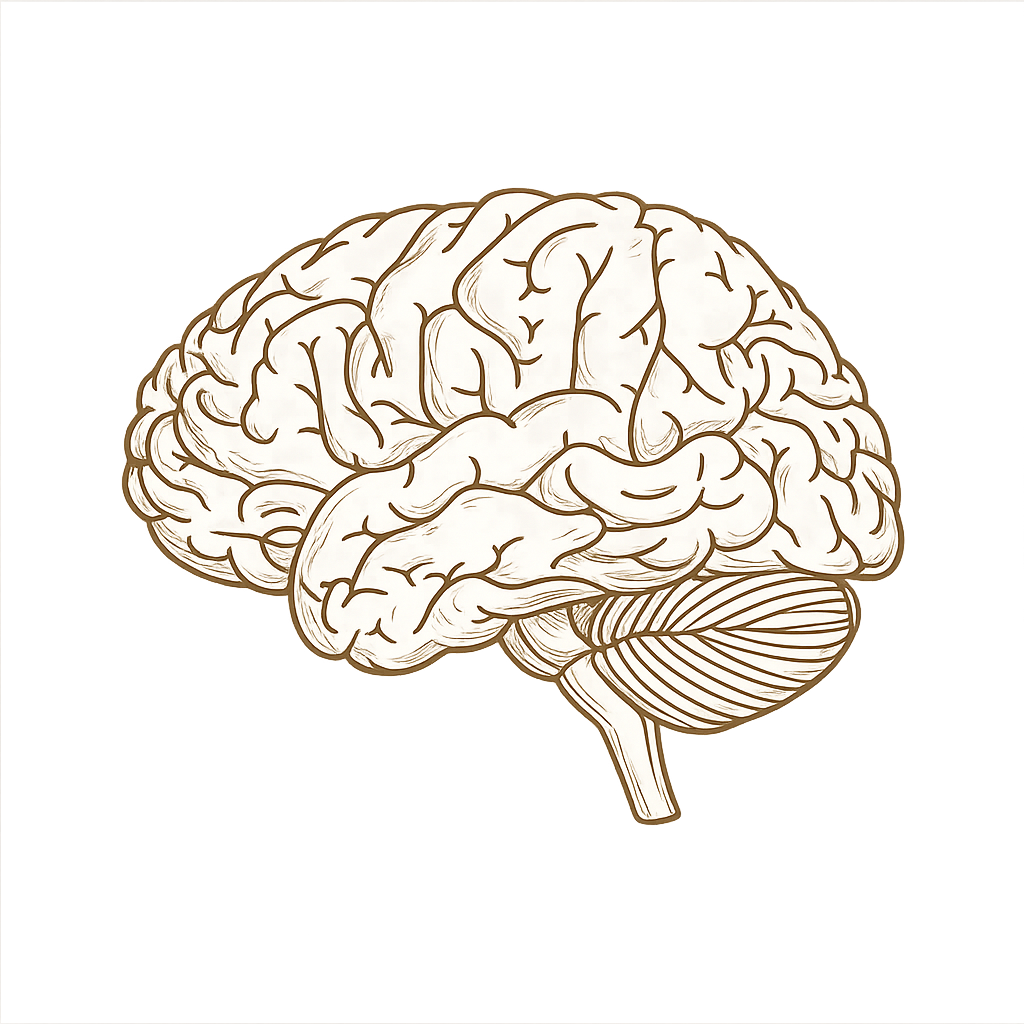
Behavior Change – Prefrontal Cortex
We strengthen the adult brain. Attention training. Daily rhythms. Interrupting the addictive loop. Building conscious choice. This restores executive function and weakens compulsive pathways.
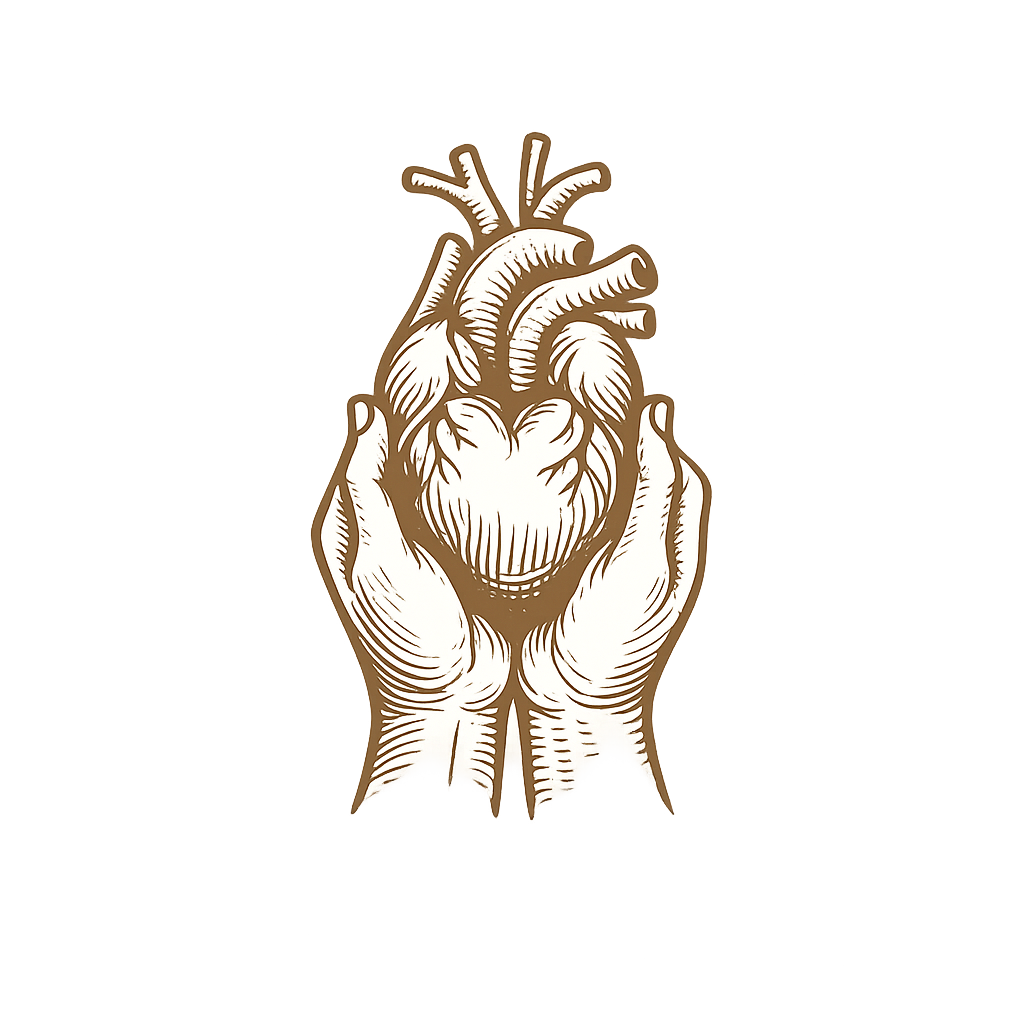
Core Healing – Limbic System
We retrain the nervous system through connection. Safety. Truth telling. Presence. Secure attachment with God, self, and others recalibrates the threat response and stabilizes the entire system.
We identify shame based beliefs, attachment wounds, and unresolved emotional pain. We process what was never processed and rewire emotional associations through safe, repeated experiences.
Relational Intimacy – Brainstem and Attachment System
Stage 1 - Behavioral Change
We start where change is most easily accessible.
The systems are interconnected. Each part of the system drives the other parts, like gears. When the addictive cycle is spinning, it reinforces shame. Shame reinforces distancing. Distancing reinforces disconnection. Disconnection reinforces the need to self-medicate. You have reinforced that addictive system for so long it is often spinning out of control.
So we start where we can get traction. We begin with the renewal cycle, the behavioral foundation of the recovery system. This is where you strengthen the adult brain, the part responsible for focus, planning, and wise choice. You learn to fix attention on what matters most, build healthy rhythms and rituals, and create a stable platform for your life. You may be powerless but you are not helpless. Recovery begins as you move from an unconscious program of addiction into a conscious program of recovery, lived daily.
At the same time, we learn how to slow the old cycle down. You begin to recognize the early signs, the preoccupation and the drift, the subtle rituals and patterns that lead toward relapse. As that awareness increases, your ability to intervene increases. You stop being surprised by your behaviors and start becoming curious about what drives them. In time, you become more effective at not only breaking the cycle but preventing it from occurring at all.
Stage 2 - Healing The Brain
Firm foundations drive deeper healing.
Once the renewal cycle is more solid and the old addictive cycle is slowing, something shifts. You begin moving upward into the deeper levels of recovery. A stronger foundation creates more clarity, more emotional regulation, and more internal resources to do the core work. This is where men identify shame-based beliefs, heal the wounds underneath them, and develop a stronger true self, not as a concept, but as a lived reality.
From that more stable place, we can do deeper experiential work. We begin identifying early attachment wounds and the nervous system patterns built around them. We process what was never processed. We integrate what was split off. We rewire the relational system through repeated experiences of safety, truth-telling, and connection.
Stage 3 - Building Relational Intimacy
The opposite of addiction is connection. The core of connection is love.
Restoring loving relationships and real intimacy with God, self, and others.
The end point is not simply sobriety. It is restored intimacy. It is a differentiated man who can stay present, hold emotion, speak the whole truth, and remain connected without hiding or controlling. It is the scary and exhilarating work of authentic relationship, with God, with yourself, and with others.
That is the direction of redemption. Not merely quitting. Becoming whole.
Addictive System: How you Got Here
Behavior is never the full story.
The addictive system forms as a result of relational attachment wounds such as: growing up in a rigid or chaotic home, misattunement, emotional absence, abuse, inconsistency, criticism, shame, disconnection, etc.
Our earliest experiences of unprocessed pain in relationship forms a nervous system that feels unsafe and unseen. Over time, that becomes core wounding, what we often call “trauma,” which simply translates, “wound.”
When that wound stays unresolved, the human nervous system does what it always does. It finds coping strategies.
Some coping strategies are socially rewarded, like achievement, performance, success, control, humor, etc. Others are more obviously destructive, like pornography, substances, fantasy, compulsive sexual behavior, secrecy, etc.
At first, these strategies solve the pain problem. Over time, the solutions become the problem. The coping pattern becomes compulsive, and the cycle reinforces itself through shame, fear, and deeper isolation.
This is the heart of the addictive system. Compulsion is not random. It is learned, patterned self-medication for relational pain.
Recovery System: Redeeming What Was Lost
It is the same system moving in the opposite, redeemed direction
One of the most hopeful truths in this model is that recovery is not about learning an entirely new human operating system. It is learning how to reverse the addictive system in the opposite direction into the recovery system. In Christian language, recovery is redemption. God is reconciling what has been broken, restoring what has been distorted, recovering the original design.
That means we do not measure progress only by what you stopped doing. We measure progress by what is being restored. Integrity. presence. connection. secure attachment. a coherent self.
Change is possible!
The same brain that learned addiction can learn recovery. Addiction is not random. It is a learned neural system. Repeated coping behaviors wire cues, emotions, and actions into an automatic loop. Over time, the brain becomes efficient at running that loop. What fires together wires together. But neuroplasticity works both ways. The pathways that were strengthened through repetition can be weakened, and new pathways can be built.
Recovery is not trying harder inside the same system. It is building a new one. As you strengthen the prefrontal cortex, retrain attention, regulate the nervous system, and experience safe, secure connection, the old shame cycle loses power and a renewal cycle takes its place. Like the “Backward Bike” experiment, what once felt impossible becomes natural through repetition and practice. Change is not instant. But it is how the brain works.